Wildlife Education For Future Generations
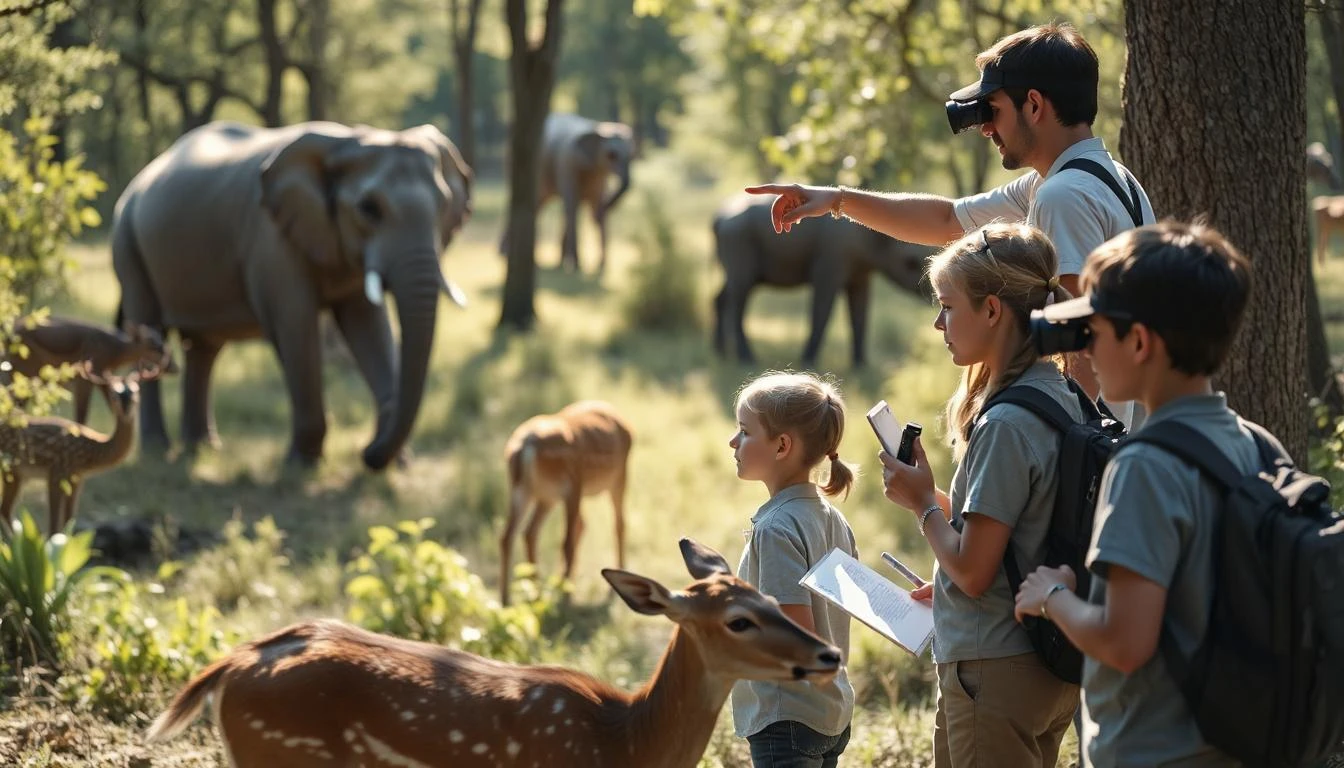
The conversation about nature is no longer something distant or abstract. It is unfolding right in front of us, shaping how societies rethink learning, responsibility, and survival in a rapidly changing planet. Around the world, educators and environmental thinkers are reimagining how humans connect with ecosystems, turning awareness into action and curiosity into responsibility.
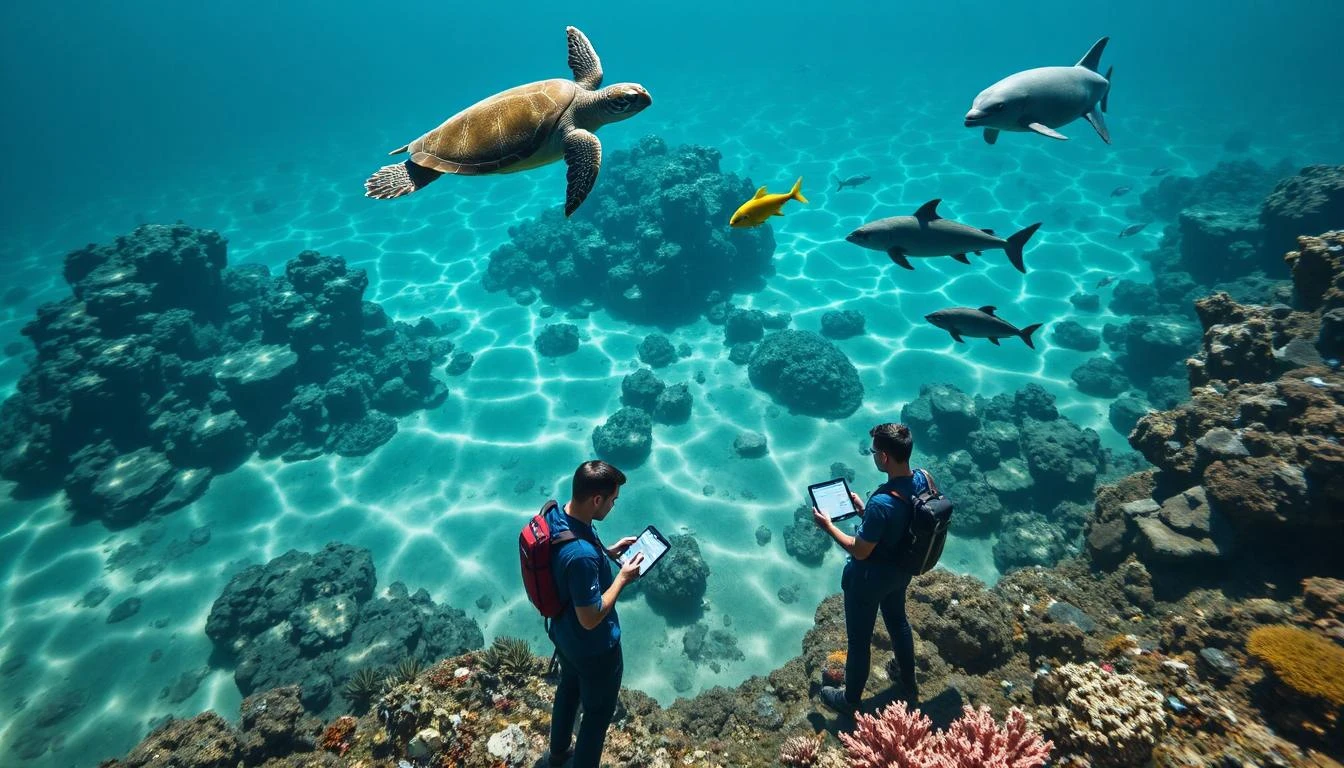
At the center of this transformation stands wildlife learning future, a concept that reflects how education systems are evolving to include ecological awareness as a core life skill rather than an optional topic. This approach reshapes how young learners perceive forests, oceans, and biodiversity, turning them into active participants in conservation rather than passive observers.
Wildlife Education For Future Generations
Wildlife education has become a cornerstone of sustainable development strategies worldwide. It is no longer limited to textbooks or documentaries but extends into immersive learning experiences that shape long-term environmental responsibility. The integration of animal education conservation knowledge strengthens how learners understand ecosystems and their role within them.
Early exposure to nature-based education fosters emotional connection and cognitive awareness that lasts into adulthood. Children who engage with environmental learning early often develop stronger empathy toward living organisms and a deeper understanding of ecological balance.
Importance of early nature awareness programs
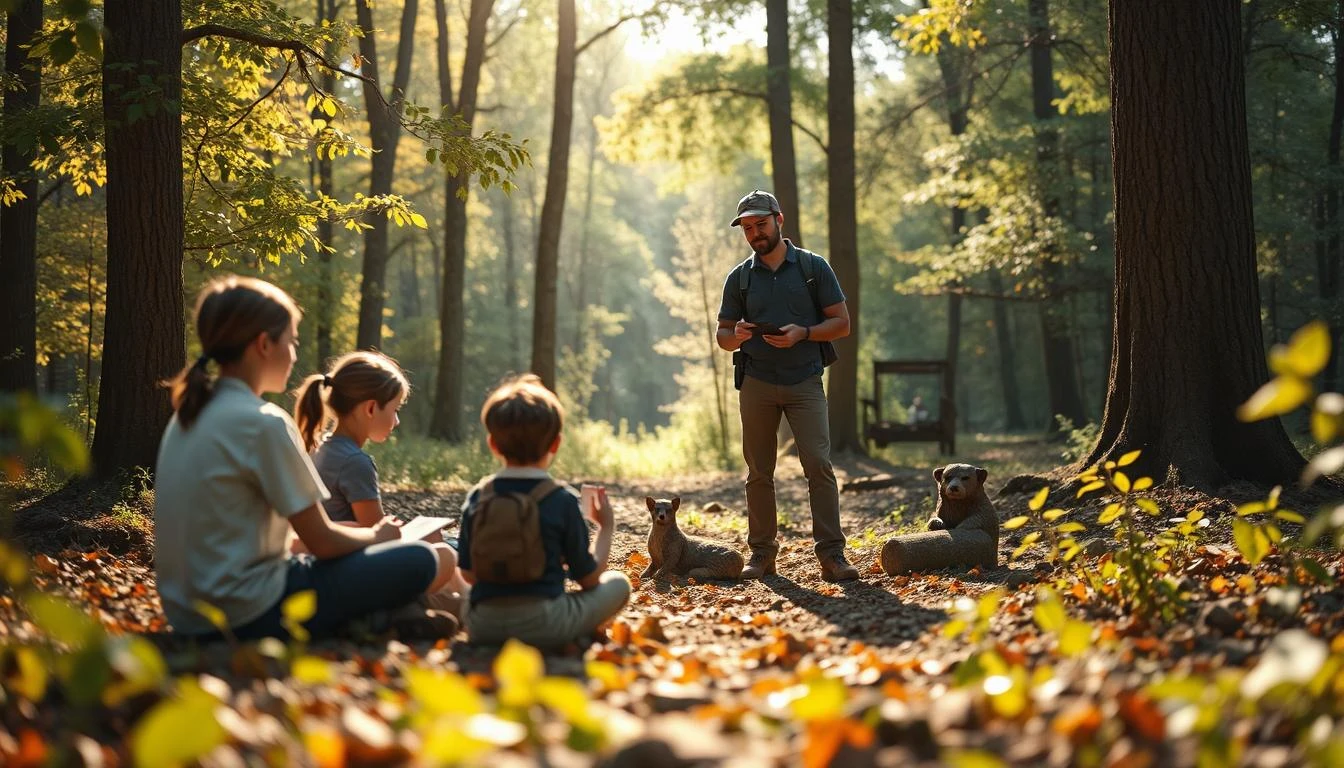
Early nature awareness programs introduce learners to biodiversity through direct observation and sensory experiences. Activities such as forest exploration, wildlife tracking, and ecosystem storytelling help build foundational ecological understanding that cannot be achieved through theory alone.
Role of schools in environmental education
Schools play a crucial role in embedding environmental values into everyday learning. By integrating sustainability topics across subjects, students begin to understand that ecology is not isolated science but part of daily human decision-making. Animal education conservation knowledge naturally strengthens this understanding, especially when applied through interdisciplinary learning models that combine science, ethics, and geography.
Interactive learning through wildlife experiences
Interactive wildlife learning bridges the gap between knowledge and experience. Field trips, conservation projects, and virtual ecosystem simulations allow learners to engage directly with environmental systems, making abstract concepts more tangible and memorable.
Modern Approaches To Wildlife Learning
The evolution of technology has redefined how humans access and interact with nature-based education. Digital tools now allow global audiences to explore ecosystems that were once geographically inaccessible, reinforcing the importance of wildlife learning future in modern education systems.
Digital documentaries and virtual safaris
Digital documentaries and virtual safaris provide immersive experiences that bring distant ecosystems into classrooms and homes. These tools help learners witness wildlife behavior, habitat interactions, and environmental challenges in real time.
Gamified environmental education tools
Gamification introduces interactive challenges that make learning about conservation engaging and impactful. By simulating environmental decision-making, learners gain insight into how human behavior affects ecosystems and biodiversity.
Community based wildlife projects
Community-based projects connect learners with real conservation efforts. Activities such as habitat restoration, wildlife monitoring, and tree-planting initiatives create a sense of ownership and responsibility toward the environment.
Building Responsibility Through Nature Education
Responsibility toward nature is cultivated through continuous exposure, reflection, and practice. Education systems that integrate wildlife learning future help shape individuals who are not only informed but also deeply accountable for their environmental impact.
Understanding biodiversity and ecosystems
Understanding biodiversity involves recognizing the interconnectedness of life forms within ecosystems. Every species plays a role, and disruption in one area can affect the entire ecological balance.
Encouraging conservation habits in youth
Simple habits such as reducing waste, conserving water, and respecting wildlife habitats can significantly influence long-term environmental behavior when introduced early in life.
Developing empathy for wildlife protection
Empathy is a powerful driver of conservation behavior. When learners emotionally connect with wildlife, they are more likely to take action to protect it, ensuring that awareness transforms into meaningful impact.
Inspire The Next Generation To Protect Wildlife Today
The future of environmental sustainability depends heavily on how effectively wildlife learning future is integrated into global education systems. Without early awareness and consistent reinforcement, the gap between human progress and ecological preservation continues to widen.
As ecological educator Wangari Maathai once emphasized, “It’s the little things citizens do. That’s what will make the difference. My little thing is planting trees,” reminding us that change often begins with simple actions repeated consistently.