Nature Stories That Teach And Inspire
In a world overflowing with fragmented information and fast-scrolling content, there is something quietly powerful about stories rooted in the natural world. Forests, oceans, mountains, and wildlife are not just scenery, they are living classrooms that speak through cycles, survival, and silent transformation. When you start paying attention, every rustling leaf or migrating bird becomes a narrative waiting to be understood.
These narratives form the foundation of modern education approaches that blend emotion with ecology, where learning is no longer passive but deeply experiential. Within this evolving landscape, nature storytelling insight becomes a guiding framework that helps people reconnect with the planet through meaning, emotion, and awareness.
Role of storytelling in environmental education
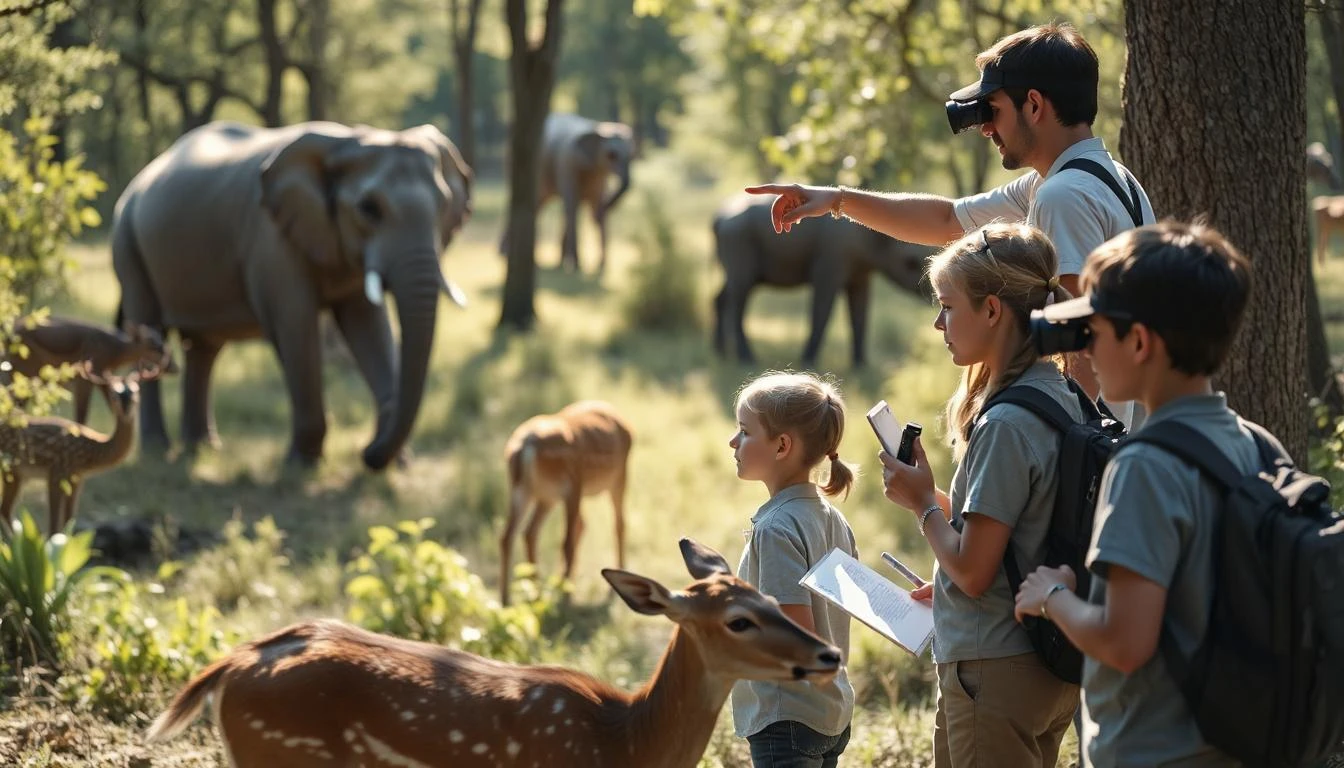
Before environmental science became a structured discipline, humans already learned from stories, oral traditions, myths, and lived experiences. Today, that same principle is re-emerging in classrooms and digital learning spaces through environmental storytelling methods. The integration of wildlife nature inspiration learning helps learners transform abstract ecological concepts into relatable experiences.
This approach strengthens understanding of biodiversity, climate systems, and conservation science in ways that traditional memorization cannot achieve. As environmental educator Richard Louv once said, “The more high-tech we become, the more nature we need.”
Emotional connection through real nature experiences
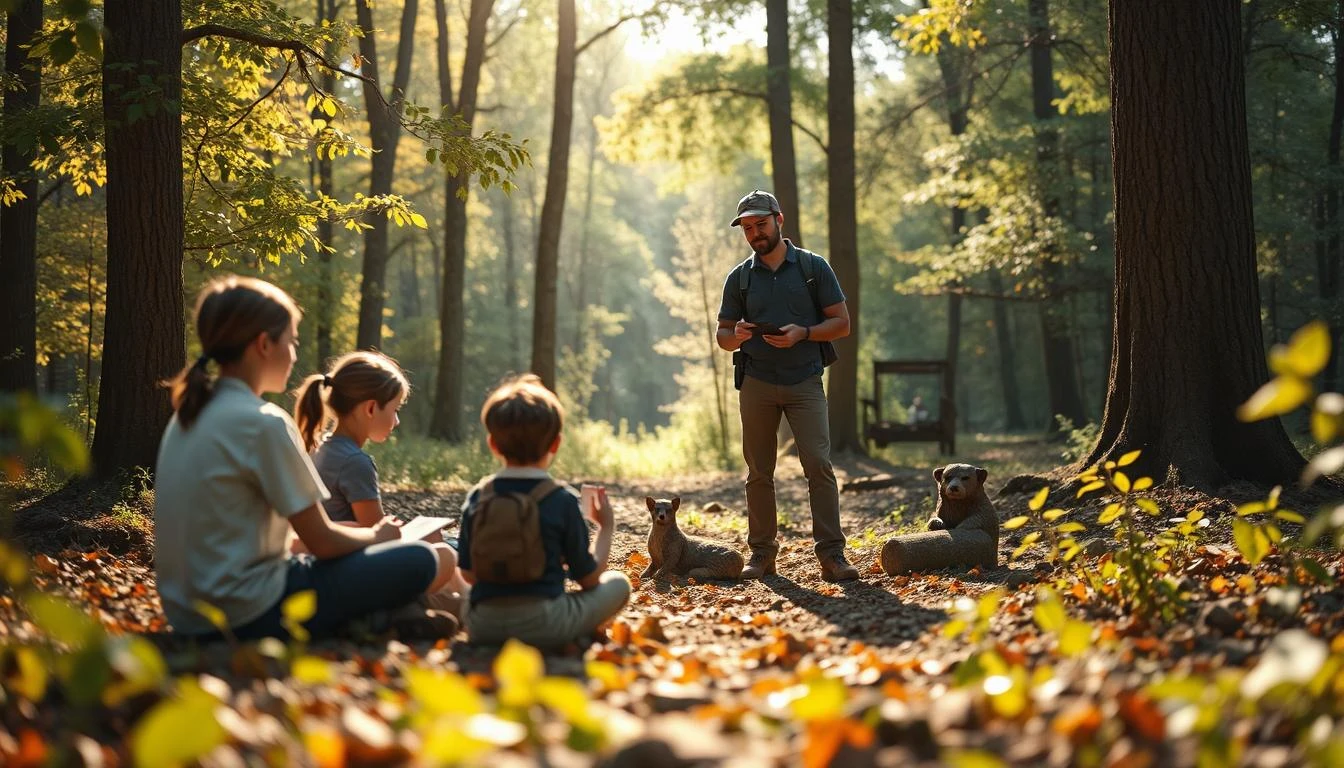
Experiencing nature directly changes perception in ways no textbook can replicate. Walking through a mangrove forest or observing coral ecosystems creates emotional imprints that last far longer than theoretical lessons.
When combined with wildlife nature inspiration learning, it allows individuals to feel ecosystems rather than just study them. Psychologist Howard Gardner once noted, “Understanding grows deeper when emotion and cognition work together.”
Cultural perspectives on nature conservation
Across different cultures, nature has always been more than a resource, it is a teacher, a symbol, and sometimes even a spiritual guide. Indigenous communities preserve ecological wisdom through generational storytelling that mirrors modern environmental education principles.
In this context, wildlife nature inspiration learning aligns with traditional ecological knowledge, creating a bridge between ancestral practices and modern sustainability efforts.
Powerful Narratives In Environmental Communication
Environmental communication today is shaped by how effectively stories are told and received. Scientific data alone rarely moves people to action, but stories that connect emotionally can shift awareness and behavior on a global scale.
Documentary storytelling and wildlife films
Documentaries have become one of the most influential tools for spreading environmental awareness. Through cinematic storytelling, ecosystems are no longer distant concepts, they become immersive realities.
Films that embody nature storytelling insight often highlight migration patterns, endangered species, and fragile ecosystems in ways that feel urgent and personal.
Written stories that highlight ecological issues
Books, essays, and investigative journalism continue to play a vital role in shaping environmental consciousness. Written narratives allow deeper reflection and understanding of complex ecological issues.
Through nature storytelling insight, writers translate scientific concerns into human-centered stories such as deforestation and species extinction.
Digital media influence on environmental awareness
Digital platforms have revolutionized how environmental stories are shared. Short videos, interactive posts, and podcasts allow ecological messages to reach global audiences instantly.
This is where nature storytelling insight becomes highly adaptive, making complex issues easier to understand and engage with.
Impact Of Nature Stories On Human Behavior
Stories do more than inform, they shape behavior. When people emotionally connect with environmental narratives, their choices begin to reflect a deeper sense of responsibility toward the planet.
Encouraging sustainable lifestyle choices
Exposure to environmental storytelling often leads to more conscious daily decisions such as reducing waste and supporting sustainability. This behavioral shift is strongly linked to nature storytelling insight.
Incorporating wildlife nature inspiration learning into awareness campaigns strengthens this effect by turning sustainability into a lived value.
Building empathy for natural ecosystems
Empathy is one of the most powerful outcomes of storytelling. When individuals understand the struggles of ecosystems, they begin to view nature as something worth protecting.
Through nature storytelling insight, ecosystems gain emotional presence in human perception and decision-making.
Inspiring collective environmental action
Environmental change grows through shared understanding and collective motivation driven by compelling narratives.
Wildlife nature inspiration learning amplifies this impact by turning awareness into coordinated action across communities.
Share Nature Stories And Inspire Change Today
The power of storytelling lies not only in what is told, but in what is felt and acted upon afterward. When nature storytelling insight is shared widely, it becomes a catalyst for awareness across generations.
At the heart of this transformation is wildlife nature inspiration learning, which continues to redefine how people understand and interact with the environment.