Ocean Conservation Awareness In Modern World
The oceans are not distant landscapes anymore, they are active systems shaping climate stability, food security, and the survival of countless species. Every wave carries a reminder that human activity is deeply intertwined with marine health, and every ripple reflects the consequences of collective choices. In this reality, understanding the ocean is no longer optional, it is a shared responsibility that touches every corner of modern life.
Today’s environmental discussions are increasingly centered on how humanity interacts with marine ecosystems at scale, from coastal cities to remote fishing communities. This shift has brought global attention to ocean protection awareness, a concept that connects education, policy, and daily behavior into one continuous effort to safeguard oceanic balance.
Ocean Conservation Awareness In The Modern World
Modern society is entering a critical phase where environmental literacy determines ecological survival. The idea of ocean conservation has moved from scientific discussion into mainstream awareness, influencing policies, education systems, and even consumer behavior. Marine conservation education impact is becoming a central focus in schools and global programs, shaping how younger generations understand sustainability and marine responsibility.
This educational shift is not only informative but transformative, encouraging active participation in ocean preservation efforts. Rising environmental challenges are making it clear that marine ecosystems are under continuous pressure from overfishing, pollution, and climate instability. These combined forces are reshaping biodiversity patterns and threatening ecological balance across oceans worldwide.
Rising threats to marine ecosystems
Marine ecosystems are facing escalating stress from multiple directions at once. Plastic waste accumulation, coral reef degradation, and ocean acidification are disrupting natural cycles that have existed for millions of years. Marine biodiversity loss, coral reef degradation, and ocean pollution crisis highlight the scale of the issue. According to marine biologist Dr. Sylvia Earle, “If the ocean dies, we die,” emphasizing the inseparable connection between human life and marine health.
Importance of sustainable ocean practices
Sustainable behavior is becoming essential in maintaining ocean stability. Responsible fishing, waste reduction, and eco-conscious tourism are now critical components of environmental stewardship. Awareness campaigns continue to highlight how individual decisions contribute to larger ecological outcomes. The growing focus on ocean sustainability practices for daily life encourages people to rethink consumption habits and environmental impact.
Global initiatives for ocean protection
International cooperation is strengthening through marine protected areas, climate agreements, and restoration projects. These initiatives aim to rebuild damaged ecosystems and preserve biodiversity for future generations. Environmental expert Dr. Enric Sala once stated, “Protecting the ocean is not a luxury, it is survival science.” His perspective reinforces the idea that global unity is essential in addressing marine degradation.
Strategies For Effective Ocean Conservation
Efficient conservation requires a combination of innovation, policy enforcement, and community involvement. The complexity of ocean challenges demands solutions that are both scalable and sustainable.
Reducing plastic pollution in oceans
Plastic pollution remains one of the most visible threats to marine environments. Microplastics are now found in deep-sea ecosystems, affecting both wildlife and human food chains. Efforts such as how to reduce plastic waste entering oceans effectively and community recycling programs are becoming essential in reversing this trend.
Marine protected areas and their benefits
Marine Protected Areas serve as ecological recovery zones where biodiversity can regenerate without human interference. These zones help restore fish populations and stabilize marine habitats.
Community driven conservation efforts
Local communities play a powerful role in ocean conservation. Coastal residents, fishermen, and volunteers often act as first responders to environmental changes.
Technology Supporting Ocean Sustainability
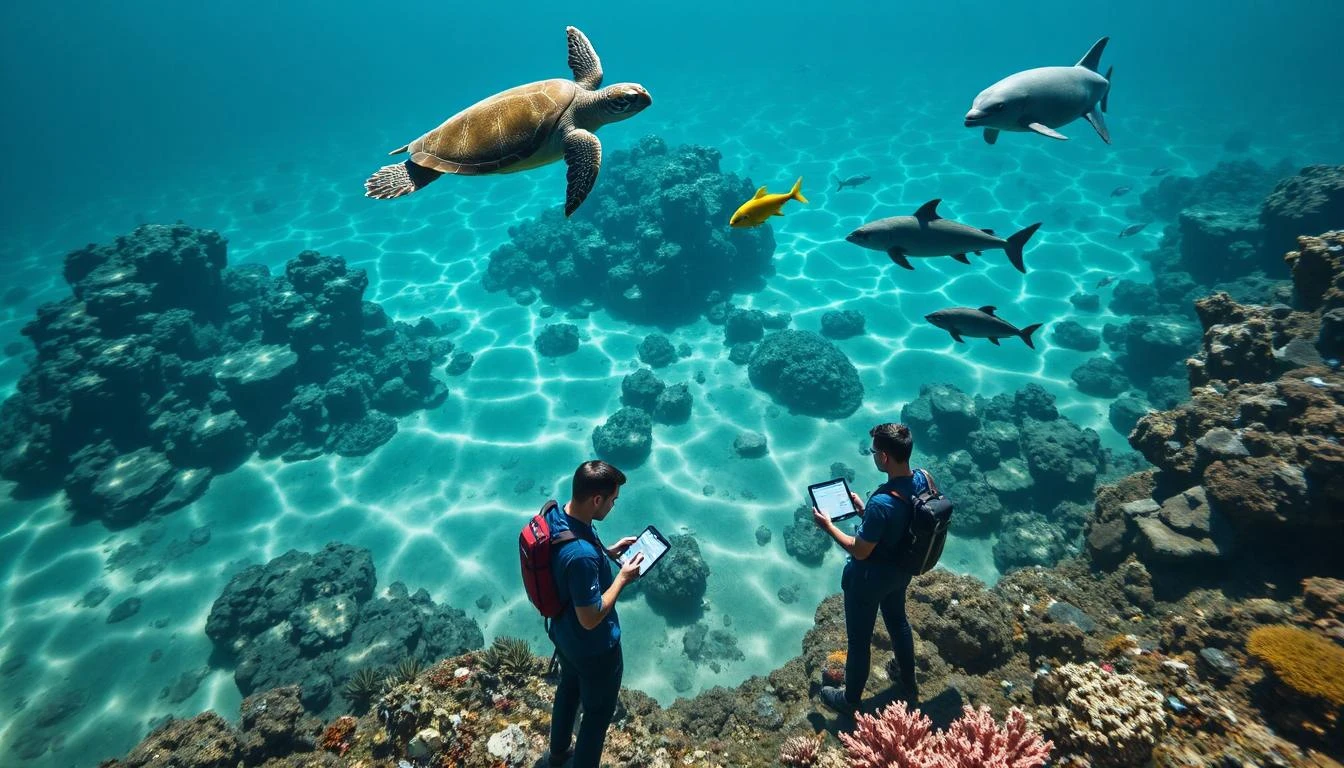
Technology is reshaping how humanity understands and protects the ocean. From real-time monitoring systems to predictive analytics, innovation is driving a new era of marine conservation.
Ocean monitoring through smart sensors
Smart sensors placed in marine environments collect real-time data on temperature, salinity, and pollution levels.
AI based climate and water analysis
Artificial intelligence is being used to predict ocean patterns, track marine species migration, and analyze climate shifts.
Digital campaigns for environmental awareness
Digital platforms are amplifying environmental education globally through accessible storytelling.
Take Action For Ocean Conservation And Protect Our Future Today
Every action matters when it comes to protecting the ocean. Simple choices such as reducing plastic use, supporting sustainable seafood, and participating in conservation programs contribute to long-term environmental recovery.
As awareness grows, so does responsibility. The future of marine ecosystems depends on how consistently humanity applies what it already knows about sustainability and environmental balance.